If you have been scheduled for a drug test and alcohol is part of the screening, it is natural to wonder what actually counts as a failed result. Many people assume alcohol only shows up if someone is intoxicated at the time of testing. In reality, alcohol screening works very differently.
So, can you fail a drug screen for alcohol? Yes, you can. Whether that happens depends on the type of test being used, how recently alcohol was consumed, and whether the test is looking for alcohol itself or the byproducts your body creates after drinking.
This article focuses on when and why alcohol can cause a failed drug screen, including the tests that detect alcohol, how long it can remain detectable, and the situations where positive results occur even when someone feels sober.
What Actually Triggers a Failed Alcohol Screen
Failing a screen for alcohol does not necessarily mean someone was intoxicated at the time of testing. Alcohol screening is based on whether detected levels exceed a predefined cutoff established for that specific test.
Some tests measure alcohol itself, while others detect alcohol metabolites that remain in the body after drinking. These metabolites can be present even when a person feels completely sober. If the detected level is above the allowable threshold, the result is reported as positive.
This is why people sometimes fail an alcohol or drug screen despite believing enough time has passed. The outcome depends on the type of test used and what it is designed to detect, not on how impaired someone feels.
Types of Alcohol Tests That Can Cause a Failed Screen
Whether someone can fail a screen for alcohol depends largely on the testing method being used. Different alcohol tests detect alcohol in different ways, and each has its own detection window. This is why alcohol use that feels minor or well in the past can still lead to a failed result depending on the test.
Breath Alcohol Test (Breathalyzer)
A breath alcohol test measures current blood alcohol concentration at the time of testing. This type of screening is commonly used in workplace and roadside situations and only detects alcohol that is present in the body at that moment. A failed result typically occurs when alcohol was consumed shortly before testing, when testing takes place during work hours, or when a zero-tolerance policy is enforced. Once alcohol has been metabolized, breath tests no longer detect it.
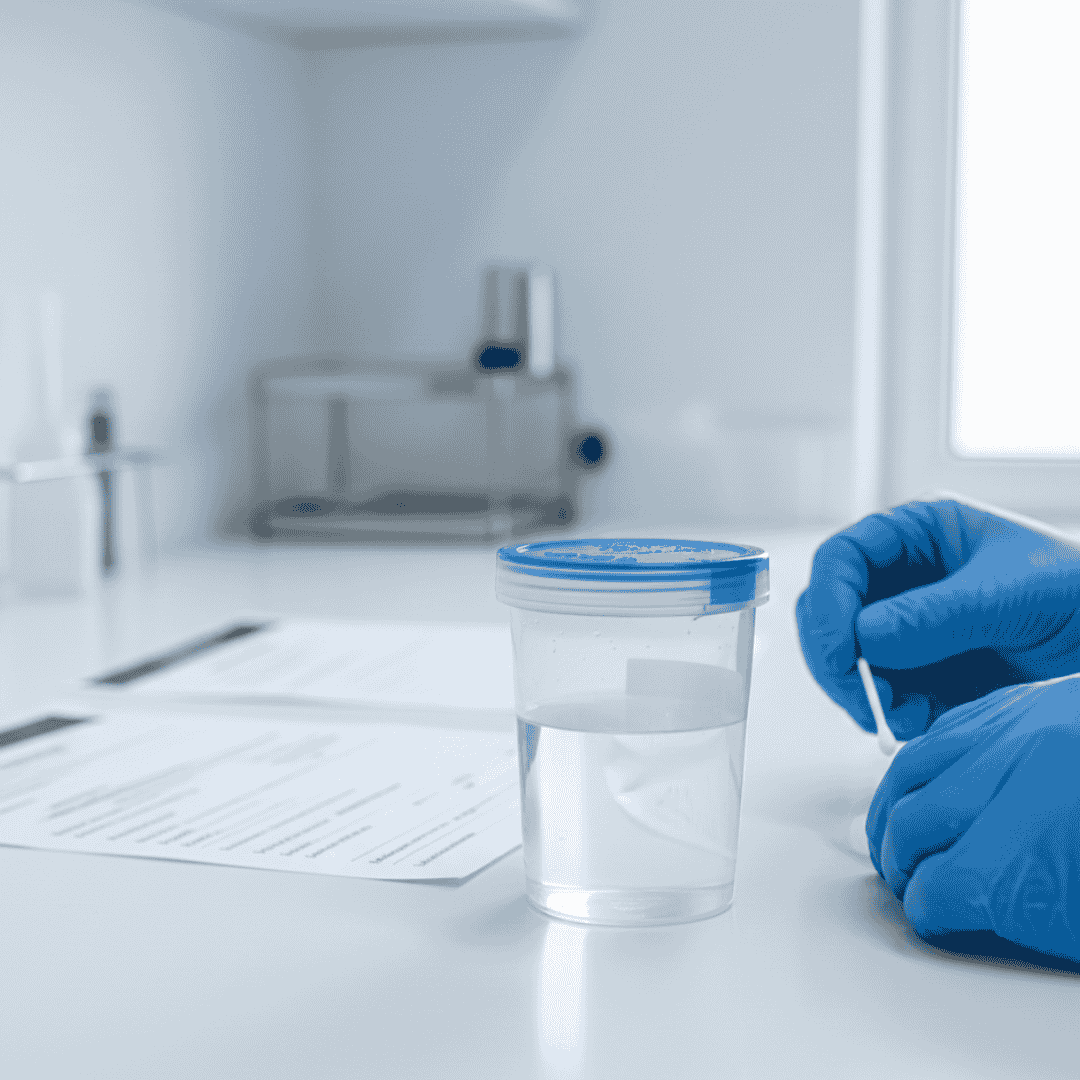
Urine Alcohol Test
Urine alcohol testing is where most misunderstandings occur because more than one type of urine alcohol test is used. A standard urine alcohol screen detects ethanol for a short window, usually up to twelve hours after drinking.
EtG or EtS urine tests work differently and are designed to detect alcohol metabolites that remain in the body after alcohol itself is no longer present. With EtG alcohol testing, alcohol use may be detectable for twenty-four to forty-eight hours after moderate drinking and up to seventy-two hours after heavier alcohol use in some cases.
This longer detection window is one of the most common reasons people fail alcohol screens unexpectedly.
For a more detailed breakdown of detection windows, this guide on how long alcohol shows up on a urine test explains the timelines clearly
Blood Alcohol Test
A blood alcohol test is highly accurate but is used less frequently unless there is a medical situation, workplace incident, or law enforcement involvement. Blood testing typically detects alcohol for a relatively short period, often up to twelve hours after consumption.
Saliva Alcohol Test
A saliva alcohol test detects recent alcohol use and generally reflects consumption within the past twelve to twenty-four hours. These tests are sometimes used for workplace screening or roadside testing when recent alcohol use is the primary concern.
Hair Alcohol Testing
Hair alcohol testing is not designed to detect a single episode of drinking. Instead, it is used to identify patterns of chronic or heavy alcohol use over time. This type of testing typically looks for EtG embedded in the hair shaft and can reflect alcohol use over a period of approximately ninety days. Hair testing is most often required in court-ordered or custody-related cases.
Can You Fail Even If You Were Not Drunk?
Yes. This is one of the most commonly misunderstood aspects of alcohol testing. Many people assume alcohol screening is meant to determine whether someone was intoxicated, but that is not always the case.
EtG and EtS tests do not measure impairment or intoxication. They measure exposure to alcohol by detecting metabolites the body produces after drinking. These metabolites can remain in the body long after the effects of alcohol have worn off.
Because of this, a failed alcohol screen can occur even when someone feels completely normal. Common situations include:
- Having only one or two drinks
- Drinking the night before testing rather than the same day
- Feeling sober, alert, and unimpaired at the time of the test
This is why alcohol testing programs often require complete abstinence during monitoring periods. The test outcome is based on what the body has processed, not on how someone feels or functions at the time of testing.
Can Everyday Products Cause a Failed Alcohol Test?
This question comes up frequently, especially with EtG and EtS urine testing. Some everyday products contain small amounts of alcohol and can create low-level exposure. Common examples include mouthwash, alcohol-based hand sanitizers, certain over-the-counter or prescription medications, and some fermented foods.
In most cases, normal use of these products does not lead to a failed alcohol screen. The amount of alcohol absorbed from typical use is usually very small and below the levels most tests are designed to flag.
Why Cutoff Levels Matter
Modern EtG alcohol testing relies on cutoff levels to help distinguish between beverage alcohol consumption and incidental exposure. These thresholds are intentionally set to reduce false positives caused by everyday products while still identifying meaningful recent drinking.
The Substance Abuse and Mental Health Services Administration (SAMHSA) explains this in detail in its guidance on ethyl glucuronide (EtG) testing and interpretation of results. SAMHSA notes that EtG tests are highly sensitive to alcohol exposure, which makes proper cutoff levels critical. When appropriate laboratory thresholds are used, a positive EtG result is far more likely to reflect recent drinking rather than trivial exposure from products like mouthwash or hand sanitizer.
When Everyday Products Become a Problem
Issues are more likely to arise with heavy or repeated exposure. Frequent use of alcohol-based mouthwash, excessive hand sanitizer application, or multiple sources of exposure within a short period can sometimes elevate EtG levels enough to raise concern.
This is more common in strict abstinence-monitoring programs that test frequently and apply conservative thresholds. While still uncommon, individuals subject to alcohol monitoring are often advised to limit unnecessary exposure to alcohol-containing products to avoid questions about their test results.
How Long Does Alcohol Stay Detectable on a Drug Screen?
How long alcohol stays detectable depends on the type of test used and how the body processes alcohol. Factors such as the amount consumed, frequency of drinking, metabolism, and liver function all influence detection time.
Breath and blood alcohol tests detect alcohol that is present in the body at the time of testing and typically identify use for up to twelve hours. Saliva tests also focus on recent consumption and usually reflect alcohol use within the past twelve to twenty-four hours.
Urine testing varies more. A standard urine alcohol test detects ethanol for a short window, often up to twelve hours. EtG urine testing is different because it detects alcohol metabolites rather than alcohol itself. These metabolites can remain in the body longer, allowing alcohol use to be detected for twenty-four to seventy-two hours after drinking in some cases. This longer window is explained in more detail in this guide on how long drugs and alcohol show up on a urine test.
Hair alcohol testing has the longest detection range and is used to identify patterns of ongoing or heavy alcohol use rather than a single episode. It can reflect alcohol consumption over a period of up to ninety days.
There are no detox products or home remedies that reliably shorten these detection windows. Alcohol and its metabolites leave the body only as the body processes them over time.
Can Drinking the Night Before Make You Fail?
Yes, drinking the night before a test can result in a failed alcohol screen, particularly when EtG testing is involved. This is a common source of confusion and unexpected positive results.
Even if drinking stops early in the evening and testing occurs the following day, alcohol metabolites may still be present. Because EtG tests are designed to detect recent alcohol exposure rather than impairment, feeling sober does not guarantee a negative result.
Hydration and exercise do not meaningfully speed up the elimination of alcohol metabolites. The body clears them at its own pace, which is why relying on time alone is the only way alcohol levels decrease.
What Happens If You Fail a Drug Screen for Alcohol?
What happens after a failed alcohol screen depends on who ordered the test and the reason it was required. In employment settings, a positive result may lead to a withdrawn job offer, disciplinary action, or removal from safety-sensitive duties. Some workplaces also require follow-up testing or participation in an employee assistance or monitoring program.
In legal or compliance-based situations, the consequences can be more serious. Failed alcohol tests may be reported as violations of court orders, probation terms, or monitoring agreements. This can result in extended monitoring periods, additional requirements, or referrals for further evaluation or treatment.
Across all settings, alcohol test results are documented and reported according to established protocols. Once a test is confirmed as positive, it is treated as an objective result, not a judgment call. This is why understanding what is being tested and what is expected ahead of time is important.
How to Avoid Failing an Alcohol Drug Screen
There is no reliable workaround or safe shortcut to avoid failing an alcohol drug screen. The only consistent way to ensure a negative result is to avoid consuming alcohol entirely during any required abstinence period.
If it is unclear whether alcohol is included in the testing panel, it is best to ask before testing takes place. When abstinence is required, it is safest to assume that EtG testing may be used and that even prior-day drinking could be detected. Avoiding alcohol altogether is the only dependable approach.
Final Thoughts
So, can you fail a drug screen for alcohol? Yes, and many people do, often because they misunderstand how alcohol testing works or assume moderate drinking does not count.
Alcohol screening today is more precise than most people realize. EtG testing, in particular, is designed to detect alcohol use beyond intoxication, not just impairment.
If alcohol testing is part of your requirements, clarity and caution matter. Knowing what type of test is being used and how detection works can prevent costly surprises.
If you need reliable, professional testing or have questions about alcohol and drug screening requirements, Life Steps Consulting offers drug and alcohol testing services in Sacramento with clear guidance and confidential support.