
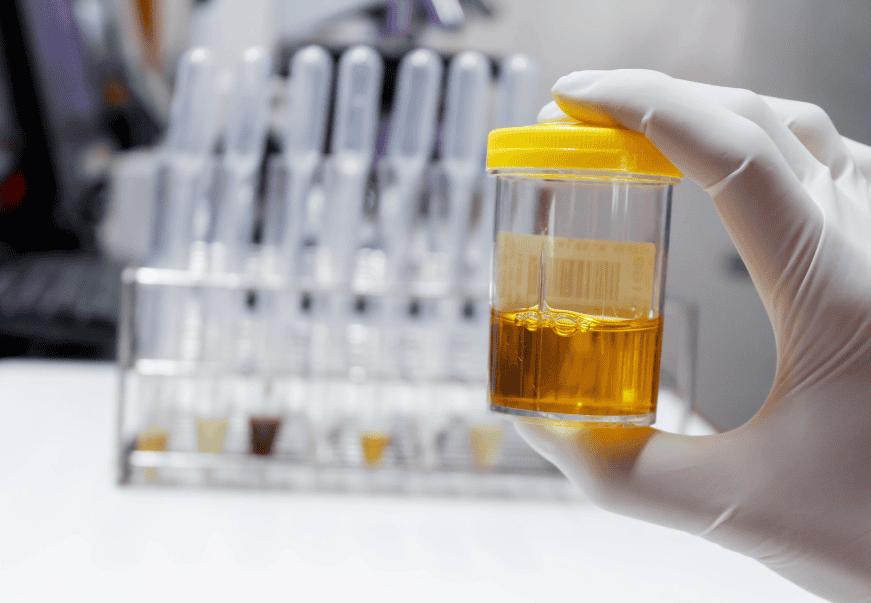
Many people feel nervous or confused before a urine drug test, especially when they are unsure how long different substances stay in the body. Urine testing is one of the most widely used screening methods for employers, courts, DOT-regulated industries, and treatment programs. It is simple, affordable, and reliable, but the detection window depends on several personal factors.
In this guide, we break down how long common drugs remain detectable in urine, what factors affect that timeline, and why detection windows can vary so much from person to person.
How Urine Drug Testing Works
When someone uses a substance, the body breaks it down into metabolites. These metabolites remain in the system longer than the substance itself. Urine tests look for these metabolites rather than the drug in its original form. Even after the effects wear off, metabolites can still be detected.
Most urine tests fall into one of these categories:
- 5 panel
- 7 panel
- 10 panel
- Expanded or custom panels
These panels screen for drug groups such as THC, cocaine, amphetamines, opioids, benzodiazepines, barbiturates, PCP, MDMA, and others. The detection window varies depending on the substance and the person being tested.
How Long Common Drugs Stay Detectable in Urine
Below is a detailed breakdown of how long common drugs remain detectable in urine. These time frames are based on clinical research and federal treatment guidelines from trusted sources.
Cannabis (Marijuana/THC):
For occasional users, THC is typically detectable for up to 3 to 7 days. Moderate users may test positive for 10 to 15 days, while chronic heavy users can test positive for 30 days or longer. This wide range exists because THC is fat-soluble and stored in the body’s fat cells, gradually releasing over time.
Cocaine:
Infrequent use is usually detectable for 2 to 3 days, while moderate use can extend that window to 4 to 5 days. Frequent or binge users may test positive for up to 7 days. Tests screen for benzoylecgonine, a metabolite that remains in the body longer than the drug itself.
Amphetamines (Adderall, Methamphetamine):
For occasional use, amphetamines may show in urine for 1 to 3 days. Moderate use typically extends that to 4 to 5 days, while chronic use may result in detection for up to 7 days, especially with extended-release formulations like Adderall XR.
Opioids (Heroin, Codeine, Morphine, Oxycodone, Fentanyl):
- Heroin, codeine, and morphine: Usually detectable for 1 to 3 days, regardless of frequency.
- Oxycodone: For occasional use, detection lasts 1 to 3 days; chronic or high-dose users may test positive for up to 4 days.
- Fentanyl: Generally detected for 1 to 3 days, though synthetic opioids like this may require expanded panels.
Detection varies by the specific opioid, dosage, and whether it’s an extended-release formulation. Chronic pain patients or long-term users may test positive slightly longer.
Benzodiazepines (Xanax, Valium, Klonopin):
- Short-acting benzos (like Xanax): Usually detectable for 3 to 5 days after one-time use, up to 7 days for moderate use.
- Long-acting benzos (like Valium, Klonopin): May stay in the system for 10 to 14 days in moderate users and up to 4–6 weeks in chronic users.
These drugs are fat-soluble, so their detection window grows significantly with long-term use.
Barbiturates:
- Short-acting barbiturates: Usually detectable for 1 to 3 days after occasional use and up to 5 days with moderate use.
- Long-acting barbiturates: May be detectable for 1 to 2 weeks, especially in chronic users.
MDMA (Ecstasy/Molly):
Typically detected for 1 to 3 days in light users. Moderate use can extend this to 4–5 days, particularly with high doses or repeated use in a short time.
Methadone:
Usually shows up in urine for 7 to 10 days with regular use. Occasional or first-time users may test positive for 2 to 6 days. Chronic maintenance therapy patients may show prolonged detection depending on metabolism and dose.
PCP (Phencyclidine):
Occasional users typically test positive for 3 to 7 days. In chronic users or those with high body fat, PCP may remain detectable for 2 weeks or longer, and in some cases, up to 30 days.
Alcohol (EtG/EtS Urine Test):
Standard urine drug panels don’t detect alcohol. However, EtG tests can detect alcohol use for up to 72 hours after heavy drinking and 24 to 48 hours after moderate intake. Occasional, low-level consumption may clear in under 24 hours, depending on hydration and liver function.
Sources: SAMHSA’s TIP 63 and NCBI Drug Detection Time Table.
Key Factors That Influence Drug Detection Time in Urine
There’s no one-size-fits-all answer for how long drugs stay in your system. Urine drug detection times vary widely depending on the person and situation. Here are the key factors that determine how long a substance might remain detectable:
- Frequency of use: Occasional or one-time use is usually cleared faster than consistent or daily use. For example, someone who smoked marijuana once may test clean within a few days, while a chronic user might test positive for weeks.
- Metabolism: People with faster metabolisms process substances more quickly. Age, activity level, thyroid function, and overall health can all influence metabolic rate—and therefore, how fast your body eliminates drug metabolites.
- Body fat percentage: Drugs like THC are stored in fat cells, so individuals with higher body fat percentages may retain certain substances longer. This is one reason cannabis stays detectable longer than many other drugs.
- Hydration and fluid intake: Staying hydrated helps your body process substances, but contrary to common myths, drinking lots of water won’t erase evidence of drug use. On the flip side, dehydration can concentrate metabolites, increasing the chance of detection.
- Type and sensitivity of the test: Not all urine drug tests are the same. Some labs use highly sensitive equipment that can detect lower levels of metabolites, while rapid tests may have higher cut-off thresholds. Specialized panels (like EtG for alcohol or synthetic opioids) can pick up substances that standard 5-panel tests might miss.
Because of these variables, detection windows are best understood as ranges—not fixed numbers. A drug that clears in 2 days for one person could stay for 5 in another.
Final Thoughts
Drug detection times in urine are not identical for everyone. They depend on the drug type, personal factors, and how often a substance was used. Urine tests remain one of the most trusted and widely used screening methods because they are accurate, simple, and provide a clear detection window for most substances.
Need clarity on your results or want a reliable test scheduled fast? Life Steps Consulting offers confidential drug and alcohol testing in Sacramento with same-day appointments.