(916) 247-8226
·
2715 K St. Sacramento, CA 95816·
Mon - Fri 08:00am - 7:00pm | Sat 10:00am - 2:00pm
Individual addiction counseling provides dedicated time to address your substance use, its consequences, and the changes you want to make. We work with adults in Sacramento who are concerned about alcohol or drugs, seeking support during treatment, or continuing recovery after a treatment program.
Sessions examine patterns of use, situations that increase cravings, previous attempts to change, and the demands of daily life. We use that information to identify priorities and develop practical responses to the difficulties you are facing. Your counseling plan can change as your needs and circumstances change.
Personal goals may include stopping substance use, strengthening a relapse prevention plan, repairing the effects of missed responsibilities, or discussing uncertainty about treatment. Our article on the benefits of talk therapy for addiction recovery explains several ways counseling can support this work.
You can seek counseling before substance use becomes a crisis. Repeated attempts to cut back, growing concern from others, or changes in work, health, and relationships are reasons to discuss what is happening.
Individual sessions may be useful when you are:
We work with adults affected by alcohol, opioids, prescription drugs, methamphetamine, cocaine, marijuana, and other substances. A consultation can help clarify your needs and the suitability of individual counseling.

Cravings may be connected to particular people, places, emotions, or routines. Counseling examines when urges occur, how you respond, and what makes it harder to follow your recovery plan. The details help identify situations that need preparation or additional support.
We can work on responses to stress, conflict, loneliness, and other concerns associated with substance use. This may include planning how to leave a high-risk situation, contacting support earlier, or changing a routine that repeatedly leads to drinking or drug use. Strategies are reviewed against your experience between appointments.
A return to substance use is a reason to reassess your needs. Sessions can explore what changed before the relapse, which warning signs were missed, and where your existing support was insufficient. The next steps depend on your current substance use, safety, and treatment needs.
Our guide to what to do after a relapse discusses returning to support and reviewing a recovery plan. Counseling can address these concerns, but medical assessment or a more intensive treatment program may also be necessary.
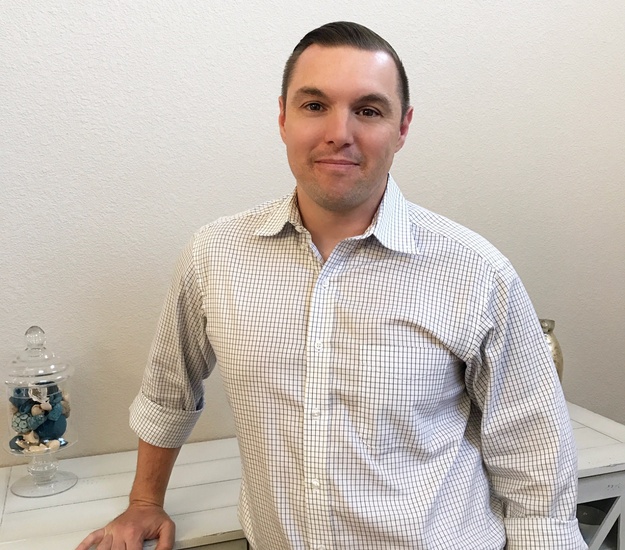
William Schneider, LAADC-CA, ICADC, has more than 19 years of experience in substance abuse recovery, including nonprofit, private, and medication-assisted treatment settings.
His person-centered approach considers your history, concerns, and reasons for seeking counseling. You can discuss uncertainty about change, difficulties with previous treatment, and the effect substance use has had on your life. Those details help establish relevant priorities for individual sessions.
His work draws on cognitive behavioral, solution-focused, motivational interviewing, and dialectical behavior approaches. The emphasis is on understanding patterns of substance use and applying changes outside counseling.
Individual substance abuse counseling gives you time to examine what needs to change and decide where to begin. We discuss the effects of alcohol or drug use on your health, work, finances, and personal responsibilities, then agree on specific priorities for your sessions.
For example, missed work may call for a plan to address attendance and the substance use contributing to it. Avoiding bills or appointments may require breaking those responsibilities into manageable steps. Uncertainty about stopping substance use deserves a direct discussion of your concerns, reasons for change, and previous experiences with recovery.
These priorities give counseling a clear focus. You leave with agreed next steps that relate to the problems you came to address.
Follow-up appointments provide time to review what happened between sessions. We discuss changes in alcohol or drug use, steps you completed, difficulties you encountered, and concerns that need more attention. This helps keep your counseling plan relevant to your current circumstances.
Progress can include following through on appointments, meeting responsibilities more consistently, discussing a setback openly, or making a decision about further treatment. We look at specific changes and remaining difficulties rather than assuming that attending sessions alone means your needs are being met.
As priorities change, we revisit the focus of your individual addiction counseling. Appointment frequency and any need for additional care can be discussed as part of that review.
Sessions are available in person across Sacramento and nearby areas, or through online substance abuse counseling throughout California. Online appointments require a private setting, a reliable internet connection, and a device with a working camera and microphone.
We serve adults in Sacramento, Elk Grove, Roseville, Folsom, West Sacramento, Wilton, Rancho Cordova, Citrus Heights, Fair Oaks, Carmichael, Rocklin, Davis, Galt, Stockton, and San Jose. Contact us to discuss appointment availability and the format that suits your circumstances.

Discuss individual addiction counseling in Sacramento during a free phone consultation. Tell us what you want help with and ask about appointments, fees, and the counseling process.
Call or complete the form below to request a consultation.
Leave us a message and we will get back.