(916) 247-8226
·
2715 K St. Sacramento, CA 95816·
Mon - Fri 08:00am - 7:00pm | Sat 10:00am - 2:00pm
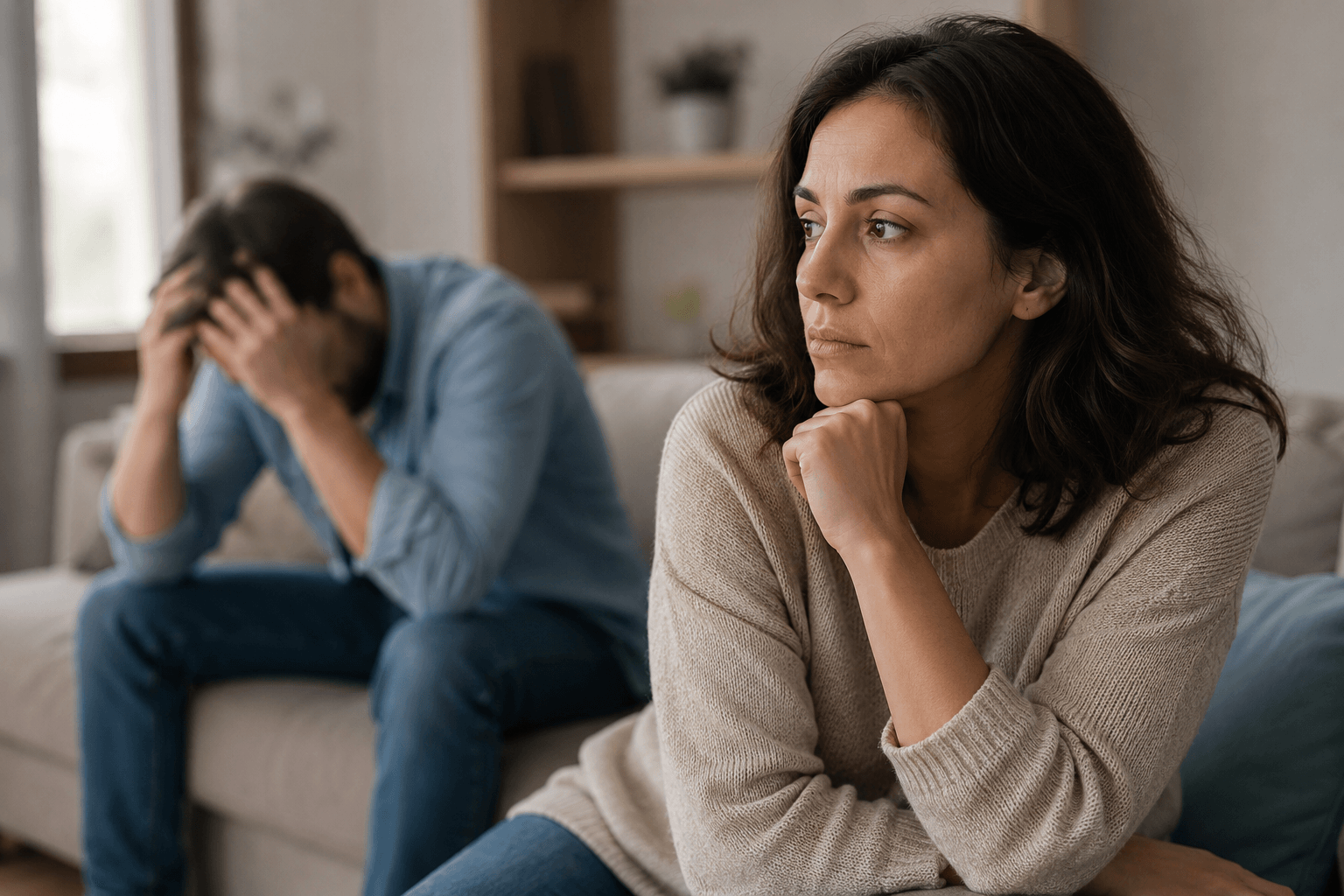
We provide couples counseling in Sacramento for relationships affected by alcohol use, drug use, and addiction recovery. Counseling addresses the strain substance use places on trust, communication, emotional closeness, and shared responsibilities.
Partners often have different concerns about the same situation. One may be focused on reducing substance use or maintaining recovery, while the other is dealing with secrecy, financial stress, or repeated disappointments. We help couples address these concerns together, identify harmful patterns, and agree on changes that support recovery and the relationship.
Sessions can complement individual addiction treatment and provide continued relationship support after a treatment program ends. The focus depends on your circumstances, including current substance use, previous treatment, and the issues that remain unresolved between you.
Substance use can affect a relationship through repeated dishonesty, unreliable behavior, financial pressure, and emotional withdrawal. Conversations about these problems may end in defensiveness or accusations, leaving the original concern unresolved.
Couples counseling addresses issues such as:
These patterns can continue after substance use stops. Understanding how addiction affects marriage and relationships can help explain why relationship concerns need attention alongside recovery.

Unresolved concerns about alcohol or drug use can turn everyday conversations into arguments. Counseling helps couples discuss the behavior involved, explain its impact, and respond without dismissing the other person’s experience.
This work may include addressing defensiveness, repeated accusations, or withdrawal during disagreements. We help each partner express concerns clearly, acknowledge their own actions, and keep the discussion focused on the issue that needs resolving. Conversations about past harm also need time and attention, particularly when earlier explanations have been incomplete or inconsistent.
Trust depends on actions that remain consistent beyond an apology. Couples can establish clear expectations about finances, household responsibilities, treatment commitments, and communication about substance use. Those expectations should be realistic and understood by both partners.
The person in recovery may feel ready to move forward before their partner feels secure. Counseling helps couples address that difference, assess follow-through, and discuss concerns that remain. Rebuilding trust does not require overlooking harm or agreeing to arrangements that leave one person uncomfortable.
Couples addiction counseling considers both substance use and its effect on the relationship. We begin by discussing your concerns, relevant treatment history, and what each partner wants to change. This helps determine the priorities for counseling and whether joint sessions are appropriate.
Sessions may focus on repairing trust after dishonesty, managing conflict about alcohol or drugs, restoring emotional closeness, or clarifying responsibilities during recovery. We help both partners examine recurring patterns, communicate concerns more clearly, and develop agreements they can apply in daily life.
As counseling continues, we review changes outside the sessions. This includes how disagreements are handled, whether commitments are being met, and which concerns still need attention. The counseling plan can be adjusted as recovery needs or relationship circumstances change.
Each partner is responsible for their own behavior. Supporting recovery does not make one person responsible for preventing the other’s substance use. When concerns require individual attention or a different level of addiction care, we discuss those needs separately.

Recovery can bring relief while leaving resentment, emotional distance, or uncertainty unresolved. One partner may want recognition for recent progress, while the other needs acknowledgment of earlier harm. Couples counseling allows both concerns to be addressed without pressure to move past them before they have been discussed.
Sessions can also address decisions about alcohol in the home, social events, treatment appointments, and time together. Couples may need to reconsider routines that previously centered on drinking or drug use and agree on arrangements that support recovery.
A return to substance use may require changes to treatment as well as a discussion about its effect on the relationship. Medical care, withdrawal management, or a more intensive treatment program may be needed. Couples counseling can address relationship concerns alongside appropriate addiction care.
Individual substance abuse counseling offers a separate setting for personal recovery concerns. Family counseling may be appropriate when other relatives need to be involved. Partners facing resistance to treatment can also read our guidance on helping someone who refuses addiction treatment.
Our Sacramento office serves couples from across the region. Areas we serve include Sacramento, West Sacramento, Elk Grove, Folsom, Roseville, Wilton, Rancho Cordova, Citrus Heights, Fair Oaks, Carmichael, Rocklin, Davis, Galt, Stockton, and San Jose.
In-person sessions take place at our Sacramento office. Online substance abuse counseling is available throughout California. Online sessions require a private setting where both partners can speak freely and a reliable internet connection with audio and video.

Contact us about couples counseling in Sacramento. Tell us how alcohol or drug use is affecting your relationship and what you would like help addressing.
The free phone consultation gives you time to ask about the service, current fees, and appointment options. Call or use the form below to get started.
Leave us a message and we will get back.