The relationship between depression and addiction is complex and deeply intertwined. Many people who struggle with substance use also experience symptoms of depression, and many individuals diagnosed with depression eventually face challenges with alcohol or drugs. This overlap raises an important question: Does depression lead to addiction, or does addiction cause depression? The answer is...Read More
The signs of meth addiction often develop gradually and are frequently overlooked. Rather than appearing as dramatic physical symptoms, they tend to show up through consistent changes in behavior, emotional regulation, energy levels, and daily functioning. Because these changes can resemble stress, sleep disruption, or mental health concerns, meth use may continue without recognition for...Read More
Talk therapy is often misunderstood in addiction recovery. Many people wonder whether talking alone can really make a difference, or if it simply skims the surface of deeper issues. I’ve worked with individuals who were skeptical at first, unsure whether therapy would help them move forward in a meaningful way. What I’ve seen over time...Read More
Substance misuse among veterans is not random, and it is not a personal failure. It is often the result of very specific experiences tied to military service, the demands placed on service members, and the challenges that follow when military life ends. Many veterans do not start misusing substances during active duty. The risk often...Read More
If you have been scheduled for a drug test and alcohol is part of the screening, it is natural to wonder what actually counts as a failed result. Many people assume alcohol only shows up if someone is intoxicated at the time of testing. In reality, alcohol screening works very differently. So, can you fail...Read More
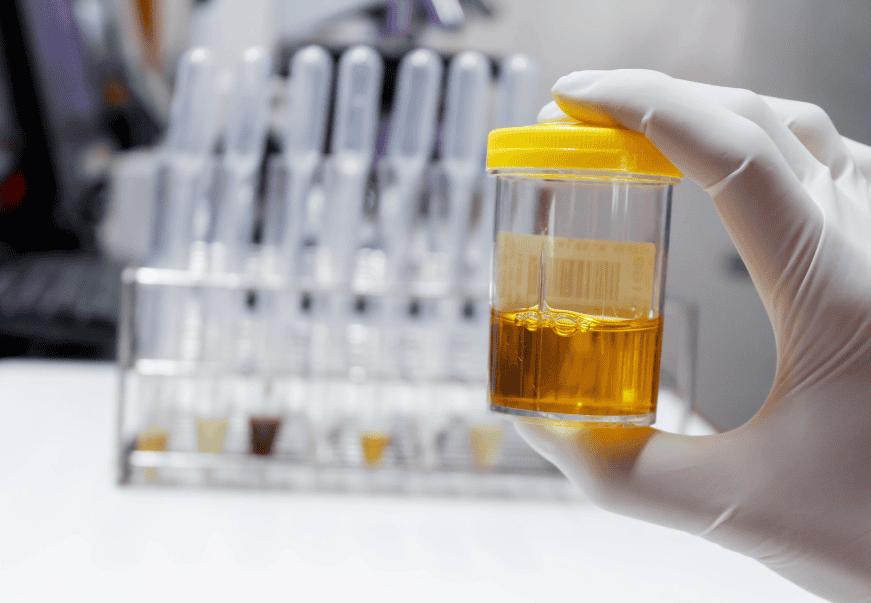
Many people feel nervous or confused before a urine drug test, especially when they are unsure how long different substances stay in the body. Urine testing is one of the most widely used screening methods for employers, courts, DOT-regulated industries, and treatment programs. It is simple, affordable, and reliable, but the detection window depends on...Read More
Opioid use disorder (OUD) has become one of the most talked-about health issues today, and for good reason. It affects people from every background, and the impact reaches far beyond physical dependence. If you or someone you care about is struggling with opioid use, you’re not alone. Understanding what OUD is and how treatment works...Read More
Fentanyl addiction has become one of the most alarming public health issues in the United States, and its impact is being felt in communities everywhere, including right here in Sacramento. Fentanyl is an extremely powerful synthetic opioid, and because of its potency, even small doses can cause rapid dependence or fatal overdose. Understanding the signs...Read More
When people think about addiction, they often focus on the emotional or physical toll it takes. But what many don’t realize is that the financial consequences of addiction can be just as damaging. Addiction doesn’t just impact your health or relationships. It also quietly drains your wallet, your savings, your stability, and your future. If...Read More
Marijuana is one of the most widely used substances in the United States. While many people believe it is harmless, research shows there can be a connection between marijuana use and mental health problems. So, does marijuana cause mental illness? The short answer is that marijuana does not directly “cause” mental illness for everyone, but...Read More









Recent Comments