(916) 247-8226
·
2715 K St. Sacramento, CA 95816·
Mon - Fri 08:00am - 7:00pm | Sat 10:00am - 2:00pm
Family counseling for addiction addresses how alcohol or drug use affects the people close to the person using substances. We provide family counseling in Sacramento for parents, partners, adult children, siblings, and other relatives who need help with conflict, trust, boundaries, and decisions about supporting recovery.
Family members often arrive with different priorities. One person wants a loved one to enter treatment. Another wants to stop arguments about money. Someone else needs to explain how much responsibility they have taken on. Counseling gives these concerns a shared agenda, with attention to the needs and responsibilities of each person involved.
Our focus is substance-related family difficulties and recovery support. Sessions examine what is happening in your household, how family members respond, and what needs to change. You can request a consultation while a loved one is still using substances, during treatment, or after they return home.
Substance use can change how a family makes decisions long before everyone agrees that there is a problem. Relatives may begin covering missed payments, taking on extra caregiving, checking someone’s whereabouts, or avoiding conversations that lead to conflict.
Family addiction counseling can address situations such as:
These situations need more than a general instruction to communicate better. We examine a specific disagreement, each person’s response, and the decisions that keep it recurring. That provides a clearer starting point for change than trying to resolve every family concern at once.

A boundary explains what you will do in a particular situation. Families may need to discuss access to shared money, alcohol or drugs in the home, or the conditions under which they can offer practical help. Counseling helps you separate an agreement you can maintain from a demand that depends entirely on someone else’s behavior.
We also address disagreement between relatives. A parent may want to provide financial assistance while a sibling believes that assistance is prolonging the problem. The work is to explain each concern, examine the consequences of each option, and decide which responsibilities belong to whom.
Managing another adult’s commitments can become exhausting. Sessions provide an opportunity to review who is handling money, appointments, transport, and communication with other relatives. The discussion includes what support is useful, what has become unmanageable, and how responsibilities can be reassigned.
Trust may remain strained after substance use stops. Family members can discuss what they need to see change, without treating one apology or one period of sobriety as a resolution to every past concern. Work may include acknowledging a specific harm, agreeing on a realistic commitment, and reviewing whether that commitment was kept.
Family counseling starts with the concerns that brought you in and the effect substance use has had on your relationships. We discuss who should participate, what each person wants help with, and how the sessions will be used. Family members do not need to agree on every detail before requesting an appointment.
The initial discussion covers the family’s history with alcohol or drug use, previous attempts to help, current sources of conflict, and any treatment already involved. Explain what has changed recently and which decisions feel most urgent. Concrete examples are more useful than labels such as “irresponsible” or “controlling.”
A session might focus on disagreement about financial help, expectations after treatment, or a conversation that repeatedly ends in accusations. We help participants explain their concerns, hear different accounts of the same event, and identify what each person can take responsibility for.
Practical work can include preparing a conversation, clarifying a household agreement, or changing how a recurring disagreement is handled. Later appointments provide time to discuss what happened when you tried it, what remained difficult, and what needs adjustment. The work follows your family’s concerns rather than a fixed set of promises about results.
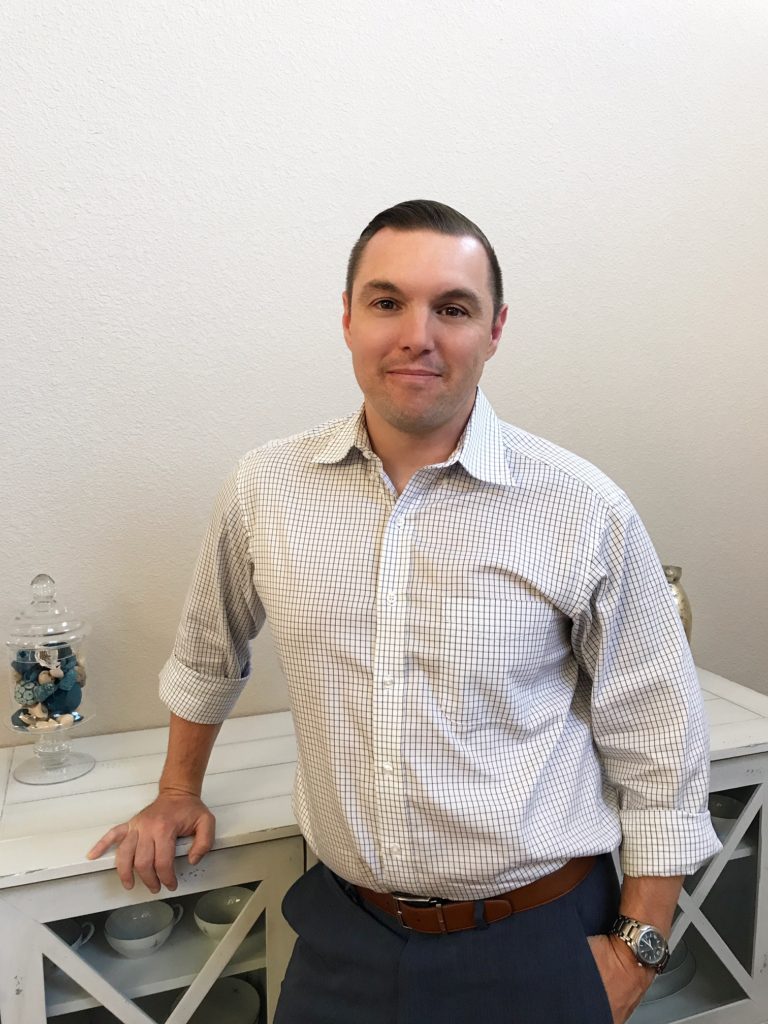
William Schneider, LAADC-CA, ICADC, has more than 19 years of experience in substance abuse recovery, including nonprofit, private, and medication-assisted treatment settings. He is licensed and certified through the California Consortium of Addiction Programs and Professionals (CCAPP).
His work includes substance abuse counseling for individuals, couples, and families. A person-centered approach considers each participant’s account of the problem, along with the patterns of interaction that have developed around alcohol or drug use.
He also trained in the Systemic Family Intervention Model with Waine Raiter in 2013. That background informs his attention to family roles, education, and participation. Family counseling and a planned intervention are distinct services; the appropriate approach depends on what your family is seeking.
Starting addiction treatment can change expectations at home. Family members may feel relieved while still being angry about earlier events or uncertain about what happens next. Counseling provides time to address these concerns alongside practical arrangements for daily life.
Before a loved one returns from a treatment program, families can discuss household responsibilities, time for recovery appointments, financial arrangements, and how concerns about renewed substance use will be raised. These discussions help make expectations explicit instead of leaving everyone to assume that others understand them.
Family sessions also give relatives space to discuss their own exhaustion, resentment, and loss of trust. A loved one’s recovery does not automatically resolve those experiences. The work includes deciding what family members need for their own wellbeing and which responsibilities they can reasonably accept.
Family counseling can complement individual addiction counseling. For concerns primarily involving a couple’s relationship, couples counseling may provide a more focused format. Families seeking a planned invitation for a loved one to enter treatment can ask about our separate systemic family intervention service.
We provide family counseling for families in Sacramento, Elk Grove, Roseville, Folsom, West Sacramento, Wilton, Rocklin, Davis, Galt, Carmichael, Arden-Arcade, Rosemont, La Riviera, Stockton, and San Jose.
In-person appointments take place at our Sacramento office. Online counseling is also available throughout California. Contact us to discuss who would like to attend and arrange an appointment for your family.

Discuss what your family is facing and ask about family counseling in Sacramento. We can explain appointment options, fees, and how to arrange the first session.
Call (916) 247-8226 or complete the contact form below to request your free 15-minute phone consultation.
Leave us a message and we will get back.