
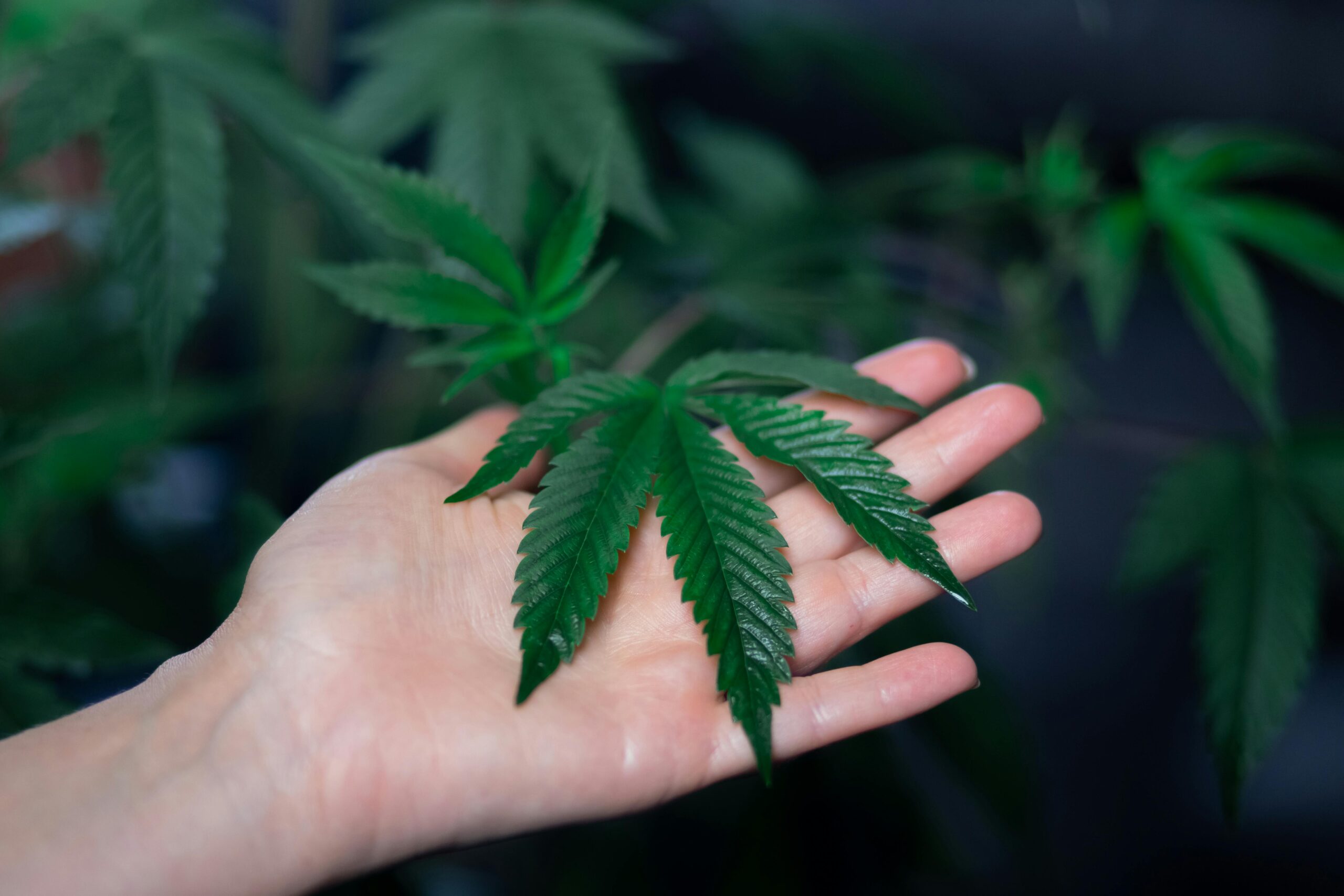
Marijuana is one of the most widely used substances in the United States. While many people believe it is harmless, research shows there can be a connection between marijuana use and mental health problems. So, does marijuana cause mental illness? The short answer is that marijuana does not directly “cause” mental illness for everyone, but it can increase the risk of developing conditions like anxiety, depression, and psychosis, especially in people who are already vulnerable.
According to the National Institute on Drug Abuse (NIDA), people who use marijuana, particularly in high doses or at an early age, are more likely to develop mental health disorders, and in some cases, cannabis use may worsen existing conditions.
In this guide, we’ll explore what research says, who is most at risk, and how counseling or therapy can help if marijuana use is affecting your mental health.
How Marijuana Affects the Brain
Marijuana contains tetrahydrocannabinol (THC), the chemical responsible for the “high.” THC interacts with receptors in the brain that influence mood, memory, and perception. While some people may feel relaxed, others experience anxiety, paranoia, or even hallucinations after using marijuana.
- THC can disrupt normal brain communication, which plays a role in how we process stress and emotions.
- Long-term heavy use can change how the brain responds to dopamine, the “reward chemical,” which may lead to dependency or mental health issues.
- Young people are at higher risk because their brains are still developing.
This doesn’t mean everyone who uses marijuana will develop a disorder, but it helps explain why certain individuals are more vulnerable.
Does Marijuana Increase the Risk of Mental Illness?
Research continues to explore how marijuana affects the brain, but evidence shows that frequent or heavy cannabis use can increase the likelihood of mental health challenges, especially in vulnerable individuals.
Anxiety and Depression
Some people turn to marijuana to relieve stress, and in the short term, it may provide temporary relaxation. However, long-term and frequent cannabis use has been linked to increased anxiety and depression symptoms. According to the National Institute on Drug Abuse (NIDA) — part of the NIH — regular marijuana users are more likely to experience mood disorders and report suicidal thoughts or attempts compared to non-users.
Psychosis and Schizophrenia
There is strong evidence connecting heavy marijuana use with psychosis. For individuals with a family history of schizophrenia or other psychotic disorders, cannabis can act as a trigger, causing earlier onset of symptoms or making them more severe. The Substance Abuse and Mental Health Services Administration (SAMHSA) emphasizes that marijuana use increases the risk of developing psychosis, particularly for those who are genetically predisposed.
Cognitive Impairment
Chronic marijuana use may also lead to cognitive problems such as memory loss, reduced focus, and impaired decision-making. These effects can interfere with school, work, and relationships, making it harder to manage stress and emotions. Over time, this creates a cycle that contributes to poor mental health and reduced quality of life.
Who Is Most at Risk of Mental Health Issues from Marijuana Use?
Not everyone who smokes or consumes marijuana will develop a mental health disorder. However, research shows that certain groups are at higher risk of experiencing negative psychological effects, addiction, or worsening mental health conditions. Understanding these risk factors can help individuals make more informed decisions about cannabis use.
1. Adolescents and Young Adults
The brain continues developing until around age 25. Using marijuana during this critical period can interfere with brain growth, especially in areas that control memory, decision-making, and emotional regulation. Teens and college-aged individuals who use marijuana regularly may face a higher risk of cognitive impairment, poor academic performance, and vulnerability to developing substance use disorders later in life.
2. People with a Family History of Mental Illness
Genetics play a significant role in how marijuana affects the brain. Individuals with parents or siblings who have conditions such as schizophrenia, bipolar disorder, or severe depression may be more likely to experience marijuana-induced psychosis or long-term mental health problems.
3. Heavy or Daily Cannabis Users
Occasional, moderate marijuana use tends to carry less risk than chronic, daily, or high-dose consumption. Heavy users are more likely to develop dependence, memory loss, and difficulty concentrating. They may also experience withdrawal symptoms such as irritability, insomnia, and mood swings when attempting to quit.
4. People with Existing Mental Health Conditions
For those already struggling with anxiety, depression, PTSD, or trauma, marijuana can sometimes make symptoms worse. While some use cannabis to self-medicate, research suggests that long-term use may increase the likelihood of panic attacks, depressive episodes, or suicidal thoughts. Stress and exhaustion can also make people more vulnerable. Learn more about the link between burnout and substance abuse here.
5. Individuals with Other Substance Use Issues
Those who already misuse alcohol, nicotine, or other drugs are at greater risk of developing marijuana use disorder. Combining substances can also intensify negative health effects and make treatment more difficult.
Can Marijuana Use Cause Permanent Mental Illness?
This is one of the most common concerns. While marijuana use alone does not usually “cause” permanent mental illness, it can trigger symptoms in vulnerable people or make existing conditions harder to manage. For example:
- A person with no family history of mental illness might experience short-term paranoia or anxiety, which typically fades after the high.
- Someone with genetic risk factors could experience long-lasting changes, especially if they begin using at a young age.
The relationship is complex. It is not accurate to say marijuana always causes mental illness, but it can act as a trigger in the right circumstances.
What to Do If Marijuana Is Affecting Your Mental Health
If you notice that marijuana is making you feel more anxious, depressed, or detached from your daily responsibilities, it may be time to take action. Recognizing the impact early on can prevent symptoms from getting worse and help you regain control over your mental well-being.
Steps You Can Take
- Talk to a counselor or therapist: A licensed therapist or substance abuse counselor can help you understand whether your cannabis use is linked to your symptoms and guide you toward healthier coping strategies.
- Consider Cognitive Behavioral Therapy (CBT): CBT has been shown to be highly effective in treating both substance use issues and mental health concerns. It helps reframe negative thought patterns, reduce cravings, and build healthier habits.
- Build healthy coping strategies: Activities like regular exercise, mindfulness meditation, journaling, and leaning on supportive friends or family can lower stress levels and reduce the urge to use marijuana as an escape.
- Evaluate your usage: Keep a journal of when, where, and why you use cannabis. Identifying emotional triggers or routines tied to marijuana can give you valuable insight and make it easier to cut back or quit.
- Seek professional treatment if needed: If self-help steps aren’t enough, consider reaching out to a local treatment center or support group for additional guidance and accountability.
How Counseling and Therapy Can Help
Therapy does more than help you stop using marijuana. It addresses the root causes behind why you use it in the first place. Many people turn to cannabis to manage stress, trauma, or mental health symptoms. A counselor can help you:
- Learn new coping skills to handle anxiety and depression.
- Explore underlying issues, such as trauma or stress.
- Manage triggers and prevent relapse if you are trying to cut back.
- Improve relationships affected by substance use.
Counseling provides a safe, non-judgmental space to talk openly about your experiences and find healthier paths forward. Explore how therapy can help with drug abuse here.
Final Thoughts
So, does marijuana cause mental illness? The answer is not simple. While marijuana does not automatically cause mental illness, research shows it can increase the risk of conditions like anxiety, depression, and psychosis, especially in people who are vulnerable. For many, marijuana may worsen existing symptoms and create new challenges.
If you or someone you know is struggling with marijuana use and mental health, professional counseling can make a real difference. Support is available, and taking the first step to talk to a counselor may be the key to building a healthier, more balanced future.
Get Support Today
At Life Steps Consulting, we understand how overwhelming it can feel when substance use begins to affect your mental health. Our confidential counseling sessions provide a safe space to talk openly, explore your options, and find healthier ways forward. Whether you’re dealing with cannabis use, alcohol, or other substances, our goal is to help you regain control and build lasting resilience.
Book your free 15-minute consultation today and take the first step toward healing.