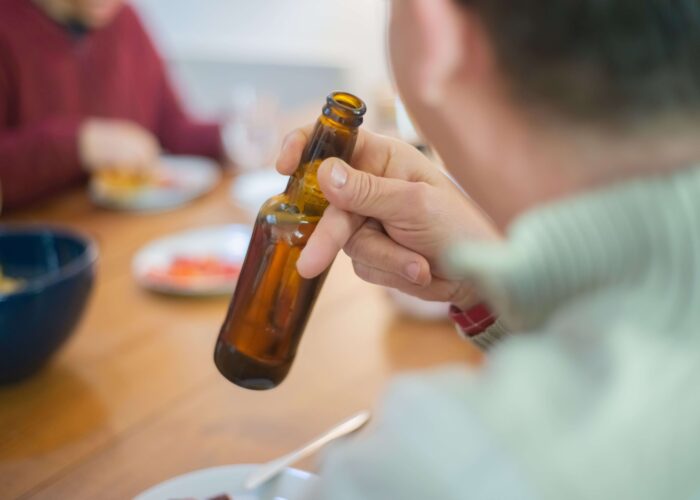

Recovery can be going well on paper while everyday life still feels strangely flat. You may be staying sober, showing up for work, spending time with family, and doing the things you are supposed to do, yet very little feels enjoyable.
Music may not hit the same way. Hobbies can feel like work. Spending time with people you care about may feel less rewarding than it used to. Some people also notice that they are no longer looking forward to things they once enjoyed.
This experience is called anhedonia, and it can occur during addiction recovery. It may develop as the brain adjusts to life without alcohol or drugs, but it can also be connected to depression and other mental health concerns.
Anhedonia can make recovery harder because sobriety may feel less rewarding than expected. Understanding what causes it, what it can look like, and when to get support can make this stage of recovery easier to recognize and manage.
What Is Anhedonia in Addiction Recovery?
Anhedonia in addiction recovery is a reduced ability to experience pleasure, interest, or motivation from activities that would normally feel rewarding. It can occur after stopping or reducing alcohol or drug use as the brain’s reward system adjusts.
Anhedonia does not always mean feeling completely numb. Some people can still enjoy an activity once they begin it but have little desire to start. Others may notice that they no longer look forward to social plans, hobbies, meals, exercise, or other experiences that previously felt rewarding.
Researchers often describe reward as having several parts, including wanting something, anticipating it, and enjoying it once it happens. Anhedonia can affect one or more of these stages.
This is why someone in recovery may still understand that an activity matters to them while struggling to feel much excitement, motivation, or satisfaction from it.
Symptoms of Anhedonia in Addiction Recovery
Anhedonia can affect pleasure, interest, motivation, and the ability to look forward to things. During addiction recovery, these changes may show up in everyday activities that used to feel enjoyable or rewarding.
Common symptoms of anhedonia in addiction recovery can include:
- Losing interest in hobbies or activities you used to enjoy
- Feeling little excitement about plans or upcoming events
- Struggling to feel motivated even when something matters to you
- Feeling emotionally disconnected during time with friends or family
- Getting less pleasure from food, music, exercise, sex, or entertainment
- Spending more time alone because socializing feels like effort
- Feeling bored even when you are doing things that once felt enjoyable
- Having trouble feeling satisfaction after completing a task or reaching a goal
- Thinking more often about the pleasure or relief you used to get from alcohol or drugs
Anhedonia can vary in severity. Some people lose interest in almost everything, while others can still enjoy certain experiences but notice that the pleasure feels weaker or does not last as long.
It is also different from having a few boring or unmotivated days. Symptoms become more concerning when they continue for a longer period, interfere with daily life, increase isolation, or make staying sober feel harder.
What Causes Anhedonia During Addiction Recovery?
Anhedonia during addiction recovery can be caused by changes in the brain’s reward system, withdrawal, stress, sleep disruption, and co-occurring mental health conditions such as depression.
Repeated alcohol or drug use can change how the brain responds to rewarding experiences. Substances may create much stronger reward signals than ordinary activities, and with continued use, the brain can become less responsive to everyday sources of pleasure.
Dopamine is one part of this reward system. It plays an important role in motivation, learning, and the drive to seek rewarding experiences. Changes in dopamine-related pathways during addiction and recovery may contribute to normal activities feeling less motivating or satisfying for a period of time. Anhedonia is more complex than simply having “low dopamine,” though, because other brain systems involved in mood, stress, pleasure, and emotional regulation can also play a role.
Withdrawal can add another layer. Poor sleep, fatigue, anxiety, irritability, and low mood may continue after the most intense physical withdrawal symptoms have passed, making it harder to feel interested in or engaged with daily life.
Depression can also play a role. Anhedonia is a common symptom of depression, and some people notice depressive symptoms more clearly after stopping alcohol or drugs. In other cases, the loss of pleasure may be more closely connected to withdrawal and the brain’s adjustment to recovery.
Several factors can influence how strongly anhedonia is experienced, including the substance used, duration and frequency of use, overall health, medications, stress levels, sleep, and other mental health concerns.
Our guide on how drugs affect the brain explains more about how substance use can affect reward, motivation, and decision-making.
How Long Does Anhedonia Last in Addiction Recovery?
There is no fixed timeline for anhedonia in addiction recovery. Some people begin noticing improvement within weeks, while others experience reduced pleasure or motivation for much longer.
The timeline can vary based on the substance used, how long and how heavily it was used, withdrawal severity, sleep, stress, physical health, medications, and co-occurring mental health conditions.
Anhedonia may also improve gradually rather than disappearing all at once. You might notice that certain activities become enjoyable again before others, or that motivation starts returning before your sense of pleasure fully does.
Persistent or worsening symptoms deserve closer attention, especially when anhedonia is affecting daily responsibilities, increasing isolation, making cravings harder to manage, or occurring alongside depression.
For people recovering from alcohol specifically, our alcohol recovery timeline explains more about the physical and emotional changes that can happen after stopping alcohol.
Is Anhedonia the Same as Depression?
Anhedonia and depression are closely connected, but they are not the same thing. Anhedonia is a reduced ability to feel pleasure or interest, while depression usually involves a broader pattern of emotional, physical, and cognitive symptoms.
Someone with depression may also experience persistent sadness, hopelessness, changes in sleep or appetite, difficulty concentrating, guilt, low energy, or feelings of worthlessness. Anhedonia can be one part of depression, but it can also occur during addiction recovery without a person having a depressive disorder.
The overlap can make the two difficult to tell apart, especially during early recovery. Some people have an existing depressive condition that becomes easier to recognize once alcohol or drugs are no longer affecting their mood and behavior.
A healthcare or mental health professional can look at how long the symptoms have lasted, how severe they are, and how much they are affecting daily life. Persistent hopelessness, major changes in functioning, or thoughts of self-harm should be taken seriously rather than assumed to be part of the normal recovery process.
Our article on depression and addiction explains more about how the two conditions can overlap and affect recovery.
How Anhedonia Can Affect Addiction Recovery
Anhedonia can make recovery harder because many of the activities that support sobriety may not feel rewarding at first. Exercise, social time, hobbies, work, and personal goals can all feel less satisfying, which can make it harder to stay engaged with them.
This can also affect motivation. Someone may understand why recovery matters and still struggle to feel excited about the progress they are making. That gap between knowing something is worthwhile and actually feeling rewarded by it can become frustrating.
Cravings may also become harder to manage. Alcohol or drugs can be remembered as a quick way to feel pleasure, relief, or emotional intensity, especially when everyday experiences feel flat. That does not mean anhedonia will lead to relapse, but it can create another challenge that needs to be recognized and managed.
Social withdrawal can become part of the problem as well. Spending less time with other people may feel easier when social activities are not enjoyable, but isolation can reduce access to support and make difficult periods of recovery harder to handle.
For these reasons, anhedonia should be treated as part of the recovery process rather than dismissed as simple boredom or a lack of motivation.
What Helps With Anhedonia During Addiction Recovery?
Anhedonia usually improves gradually, so the focus is often on staying engaged with recovery even when enjoyment has not fully returned.
Keep Some Structure in Your Day
A basic routine can make it easier to keep moving when motivation is low. Regular meals, consistent sleep, work responsibilities, appointments, exercise, and planned activities can give the day some structure without relying on how motivated you feel in the moment.
Continue Activities You Used to Value
Waiting until something sounds enjoyable can lead to doing less and less. It can help to keep some familiar activities in your routine, even when they feel less rewarding than they used to.
That might mean taking a short walk, cooking, listening to music, spending time outdoors, or meeting someone you trust. The activity does not need to feel exciting to still be worth doing.
Stay Connected With Other People
Anhedonia can make social plans feel like effort, but withdrawing completely can make recovery more difficult. Regular contact with supportive friends, family members, recovery groups, or a counselor can help you stay connected while your interest and motivation are still returning.
Talk About It in Counseling
Anhedonia can be easy to overlook when the main focus is staying sober, but emotional flatness can affect recovery too. Counseling gives you a place to talk about changes in motivation, relationships, routines, and the parts of life that no longer feel rewarding.
Our guide to the benefits of talk therapy for addiction recovery explains how counseling can support the emotional and behavioral side of recovery.
Get Medical Support When Symptoms Persist
Ongoing anhedonia is worth discussing with a healthcare or mental health professional, especially when it is severe, continues for a long period, or is affecting your ability to function. A professional can also look for other factors that may be contributing, including medications, physical health concerns, or a mental health condition.
Frequently Asked Questions
Does anhedonia mean addiction recovery is not working?
No. Anhedonia can occur even when someone is making real progress in recovery. Staying sober and rebuilding daily life do not always produce an immediate return of pleasure or motivation. Recovery can continue even while the reward system is still adjusting.
Is anhedonia permanent after addiction?
Anhedonia is not necessarily permanent. Research suggests that symptoms can improve during sustained abstinence, although the timeline varies from person to person. Persistent symptoms should be evaluated rather than assuming they will either disappear quickly or last forever.
What is the difference between anhedonia and apathy?
Anhedonia mainly involves reduced pleasure or interest, while apathy refers more to a lack of motivation, initiative, or emotional engagement. They can occur together, which is one reason someone in recovery may have trouble both wanting to do something and enjoying it once they start.
Can anhedonia appear later in recovery?
Yes. Emotional changes do not always follow a predictable schedule. Some people notice anhedonia early, while others become more aware of it after the initial withdrawal period has passed and daily life becomes more stable.
Can anhedonia affect relationships during recovery?
Yes. Reduced pleasure and emotional engagement can make social interaction feel less rewarding, which may lead someone to spend less time with friends, family, or a partner. Explaining what is happening can help others understand that emotional distance does not necessarily mean the relationship itself has changed.
Get Support During Addiction Recovery in Sacramento
Anhedonia can be frustrating, especially when you are putting real effort into recovery and still feel disconnected from the parts of life you expected to enjoy again. Support can help you understand what you are experiencing and stay focused on recovery while those changes improve.
At Life Steps Consulting, we provide drug and alcohol counseling in Sacramento for people at different stages of recovery. Counseling can help with cravings, emotional changes, coping patterns, relapse concerns, and the practical challenges that come with rebuilding life after substance use.
For people outside the Sacramento area, online substance abuse counseling throughout California is also available. Reach out to schedule a confidential consultation and discuss the support you need during recovery.